Uncategorized
“One Up” Mushroom Bars
Jun
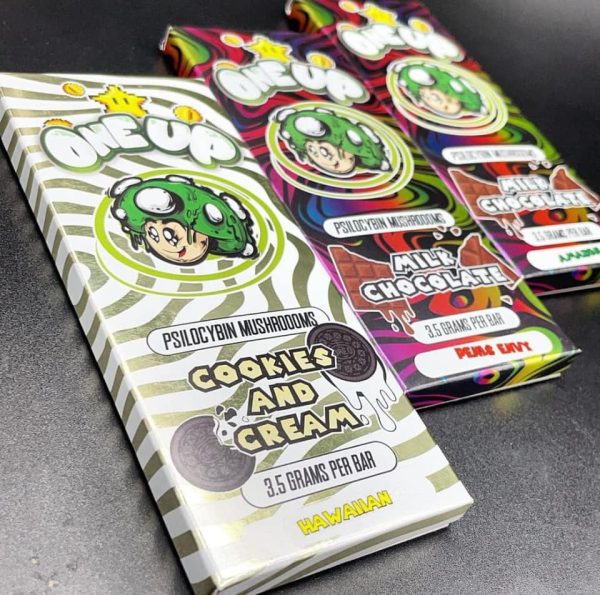
Walk into almost any smoke shop, scroll through social media, or browse online TCG and wellness forums, and you will likely run into the colorful, Super Mario-inspired packaging of One Up Mushroom Bars. They are marketed as a delicious, convenient, and discreet way to consume mushrooms in a pre-measured chocolate bar format.
However, beneath the flashy, nostalgic branding lies a highly complicated market. If you are a curious consumer, a retail shop owner, or someone looking to understand what you are actually putting into your body, it is vital to separate the marketing hype from the chemical and legal reality.
1. The Two Versions: “Legal Functional Blend” vs. “The Legacy Market”
The biggest point of confusion surrounding One Up bars is that two entirely different products exist under the exact same name.
Version A: Over-the-Counter “Legal” Blends
Many official distribution channels sell a version of the One Up bar that is explicitly labeled as 100% Psilocybin-Free. These bars generally rely on a proprietary blend of functional mushrooms (like Lion’s Mane, Cordyceps, or Reishi) alongside legal, non-scheduled psychoactive or nootropic compounds designed to create a sense of calm, focus, or a mild euphoric lift. They are often sold legally in smoke shops and online wellness stores across the US.
Version B: The Legacy Underground Market
The original “One Up” bars popularized in underground spaces typically contain actual psilocybin (the active hallucinogenic compound in magic mushrooms), usually dosed at 3.5g to 5.0g of mushroom equivalent per bar. Because psilocybin remains a federal Schedule I controlled substance in the US and is illegal in the UK, these products exist strictly in unregulated, informal markets.
2. The Packaging Problem: Counterfeits and Mystery Ingredients
The most critical safety risk associated with One Up bars—especially the legacy psilocybin versions—comes down to unregulated packaging.
The iconic Mario-themed boxes can be bought in bulk for pennies on wholesale websites like Alibaba or Amazon. This means anyone can buy the packaging, melt down cheap grocery store chocolate in their kitchen, add whatever compounds they want, seal it up, and sell it as an “authentic” One Up bar.
Because of this lack of central regulation, independent laboratory testing on confiscated or street-bought mushroom bars frequently reveals a wide variance in what’s inside. Instead of real organic psilocybin mushrooms, many black-market bars have been found to contain:
- Research Chemicals: Synthetic psilocybin analogs like 4-AcO-DMT, which mimics the effects of magic mushrooms but is synthesized in a lab.
- Amanita Muscaria Extracts: A completely different type of psychoactive mushroom containing muscimol, which acts as a heavy sedative or deliriant rather than a classic psychedelic.
- Unpredictable Dosing: One square might have zero active ingredients, while the next square contains an overwhelming dose.
3. Understanding Dosing and Harm Reduction
For adults choosing to navigate the world of functional or psychoactive mushroom bars, treating the product with respect and caution is the only way to ensure a safe experience.
- Look for Verifiable QR Codes: Legitimate, modern brands producing legal functional mushroom chocolate include active QR codes on the back of the box that link directly to third-party Certificates of Analysis (CoA). If a bar does not have a batch test report, treat it as a mystery product.
- Start Micro, Wait Long: Because chocolate must pass through your digestive system, the onset of effects can take anywhere from 45 minutes to two full hours. Taking a single breakaway square and waiting is essential to avoid accidentally overwhelming your system.
- Strict Storage Safety: Because these bars look and taste exactly like premium milk chocolate, artisanal dark chocolate, or cookies-and-cream candy, they pose a massive accidental ingestion risk. They must always be stored in a locked, secure location completely out of sight and reach of children and domestic pets.
The Bottom Line
Mushroom chocolate bars offer an appealing alternative to the bitter, earthy taste of raw fungi. However, because the “One Up” brand is so widely replicated and counterfeited, it requires a high degree of consumer skepticism. If you cannot verify the exact laboratory testing of the batch, you are essentially gambling with mystery ingredients. Prioritize transparency, source responsibly, and always treat concentrated botanical extracts with caution.
